Shirley Erwee
Shirley Erwee
The Subway Story: Big Lessons from a Small Sandwich Shop
The Subway story is a goldmine of lessons for young entrepreneurs, not just about growing a business, but about marketing smartly, adapting quickly and thinking long-term.
In 1965, seventeen-year-old Fred De Luca borrowed 1 000 dollars from a family friend, Dr Peter Buck, to open a small sandwich shop called Pete’s Drive-In: Super Submarine Sandwiches on Main Street in Bridgeport, Connecticut. De Luca hoped the business would help him earn enough to pay his medical school tuition, while Buck, a physicist, offered both the seed money and steady encouragement. Three years later, in 1968, the young partners renamed the shop Subway, setting the stage for a brand that would eventually expand around the world.
By the end of 2010, Subway had grown into the largest fast-food chain globally, operating 33 749 restaurants, which placed it ahead of McDonald’s by more than a thousand locations.
Although the business faced significant challenges in the years that followed, Subway still held its position as the most widespread restaurant chain in the United States in 2016, with 26 744 outlets and McDonald’s remaining in second place.
For six decades, Subway remained in the hands of its founding families. This era came to an end in 2024, when the company was acquired by the private equity group Roark Capital.
This article highlights key financial and marketing lessons to share with your children from the Subway story. Family discussion questions follow at the end.
Before You Read the Subway Lessons:
Look out for
The power of a relatable story: a teenager trying to pay for university.
The importance of a strong brand message: “Eat Fresh.”
How giving customers choices made them feel involved.
The way Subway used local marketing, even as it grew globally.
Moments when fast growth led to problems with consistency and quality.
Financial Lessons from Subway
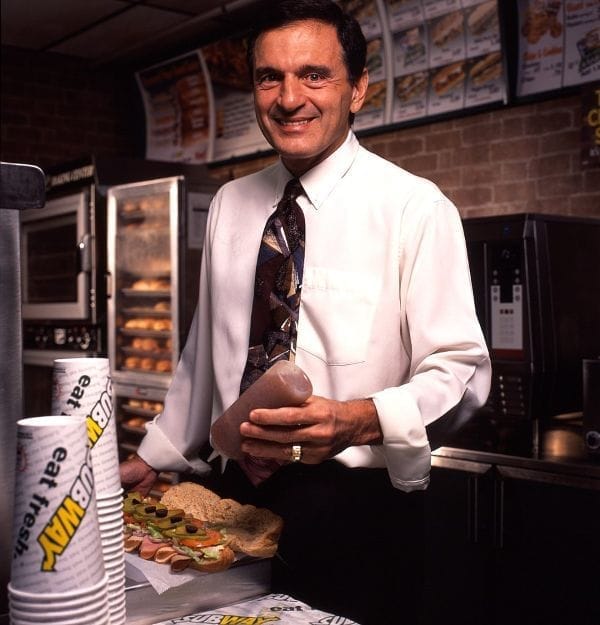
The founder of Subway, Fred De Luca
By Subway - mynewsdesk, CC BY 3.0, https://commons.wikimedia.org/w/index.php?curid=36859567
1. Start with a clear, relatable purpose
When Fred De Luca, a 17-year-old student, started Subway in 1965, his goal was simple: to pay for college. That clear, relatable story helped customers feel connected to his mission.
Lesson: Your “why” can be your best marketing tool. People love supporting entrepreneurs with a purpose they can believe in.
2. Build your brand around a strong promise
Subway’s early slogan, “Eat Fresh”, positioned it as a healthier, fresher alternative to traditional fast food. Subway wasn’t just selling sandwiches; it was selling a lifestyle choice.
Lesson: Find a unique selling proposition (USP) that sets your business apart and stick to it consistently.
This was Subway's defining marketing move.
Not a menu.
Not a theme.
Not a discount.
A promise.
Here’s why that single marketing move changed everything:
a.) It positioned Subway uniquely in a crowded market
Fast food in the 1970s–1990s was greasy, fried and heavy. Subway claimed territory no one else owned: fresh, customisable, healthier fast food.
Lesson: Find a gap in the market and own a single, memorable idea.
b.) It told customers what to expect before they walked through the door
“Eat Fresh” instantly communicated:
fresher ingredients
healthier choices
the ability to personalise a meal
a sense of control
Lesson: A good marketing message simplifies decision-making for customers.
d.) It shaped everything that followed
The slogan wasn’t a tagline slapped on at the end. It drove decisions about:
store layout
visible ingredients behind glass
fresh-baked bread
healthier menu choices
local-store marketing around wellbeing and freshness
It was marketing that influenced operations — not the other way around.
e.) It differentiated Subway globally
You could walk into a Subway in Johannesburg, Auckland, Sydney or New York and instantly understand the brand.
One simple promise made it recognisable anywhere.
3. Use storytelling to grow your audience
Subway used the true story of Jared Fogle, who famously lost a huge amount of weight by eating Subway sandwiches, to connect emotionally with customers. His story made the brand more human and believable.
While studying at Indiana University, Jared Fogle lost over 100kg between 1998 and 1999, a transformation he partly attributed to regularly eating Subway meals. His story caught the company’s attention and so from 2000-2015 he became the face of their advertising. His popularity grew quickly, leading to more than 300 commercials and numerous media appearances over his 15-year association with the brand.
(Unfortunately, Fogle was convicted in an unrelated criminal scandal which later harmed the brand.)
Lesson: A powerful, authentic story can turn your brand into a movement, but make sure your stories and spokespeople align with your values.
4. Adapt to changing consumer trends
When customers began demanding more choice, Subway added options like whole-grain bread, salads and custom toppings. Their “build-your-own sandwich” model gave customers a sense of control.
Lesson: Listen to your customers. Let them shape your product and experience. Personalisation is powerful marketing.
5. Keep your marketing local and personal
Subway grew through franchising, but each local outlet marketed itself in ways that suited the local community, such as sponsoring school events, offering discounts to students and focusing on local tastes.
Lesson: Even a global brand wins by thinking local. Know your community and build loyalty through connection, not just advertising.
6. Don’t let growth outpace quality or consistency
Subway expanded faster than it could maintain consistent standards and customer satisfaction dropped. Eventually, the brand had to close thousands of stores. (Compare this with the McDonald brothers' story!)
Lesson: Marketing can get people in the door, but only quality and consistency keep them coming back. Growth without good customer experience is short-lived.
7. Innovate in both product and marketing
Subway was an early adopter of digital loyalty cards, online ordering and app-based rewards, which has kept the brand relevant in a digital age.
Lesson: Stay curious. Use technology and new marketing tools to keep your business fresh and engaging.
8. Measure what matters
Subway learned that opening more stores didn’t necessarily mean more profit. They shifted focus from expansion to improving customer satisfaction and profitability per store.
Lesson: In marketing, success isn’t just about size, but it is also about sustainability, reputation and loyal customers.
Family Discussion Questions
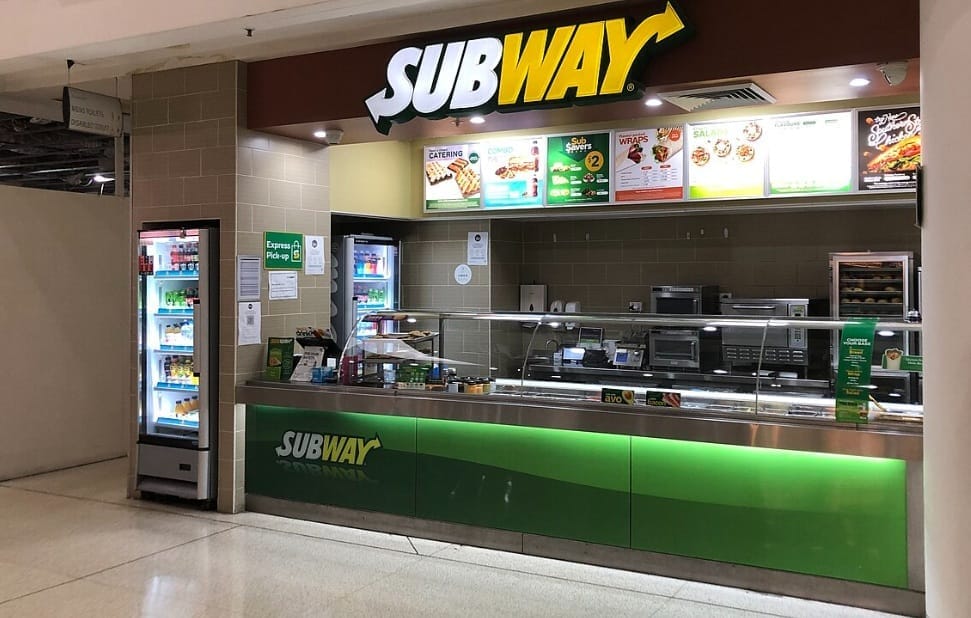
Subway Restaurant at Burwood Plaza in Sydney, Australia
By TAC PlazaMaster - Own work, CC BY-SA 4.0, https://commons.wikimedia.org/w/index.php?curid=119225676
What made Subway’s original idea appealing to customers?
How did Fred De Luca’s story help market the brand?
Why do you think people trusted the “Eat Fresh” message?
What are some ways Subway adapted to changing customer needs?
How can too much growth hurt a brand, even if sales look good at first?
If you were running a small food business today, what lessons from Subway would you apply — and which mistakes would you avoid?


Stay fired up for success with Shirley's
Entrepreneur Newsletter
Raising Job Creators
Keep up the momentum of building your family's financial education.
Don't lose your drive to take small daily steps to reach for big dreams.
Your privacy is secure.
You can opt-out anytime.
Categories
Raising Job Creators Newsletter
Subscribe to the newsletter and stay fired up for success! By joining, you acknowledge that you'll receive Shirley's newsletter. You can opt-out anytime hassle-free.
Copyright © 2025-2026. Shirley Erwee. All Rights Reserved
Created with ©systeme.io